
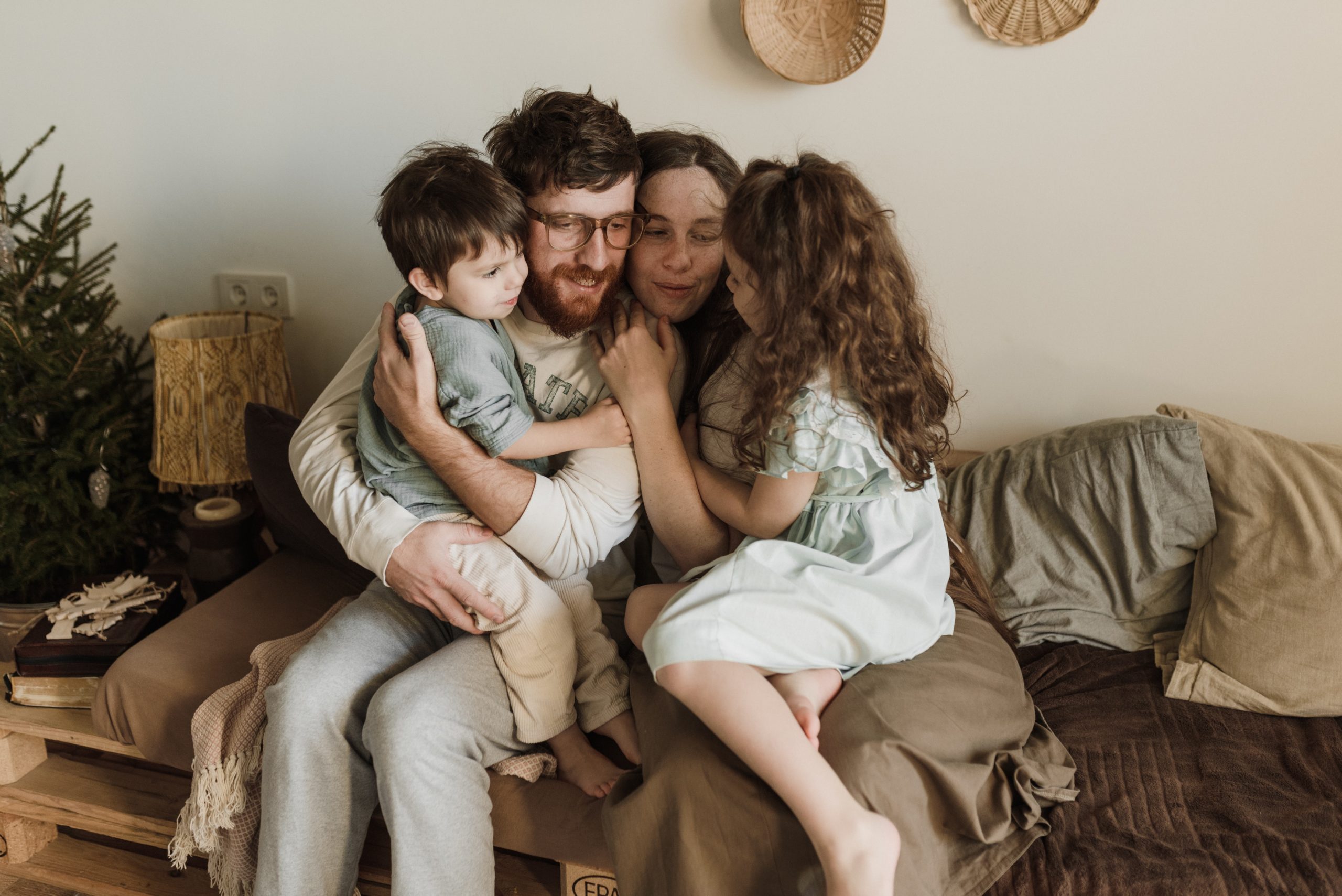
Positive Discipline by Olimpia Tardá - International Montessori School Sotogrande

“Positive discipline” by Olimpia Tardá

 Freedom and discipline are concepts that create confusion and that each family interprets differently. These interpretations will lead to the application of certain educational guidelines and styles that cause us to be parents who are more or less permissive, controlling, affectionate… 

From a more conventional viewpoint, discipline tends to be confused with correction and punishment. In this case, parents wonder: How do I control my child’s behaviour? The techniques that are applied from this model would be those aimed at modifying negative behaviours through punishment or lectures, and awarding kids with ‘stars, points, money, sweets…’ to encourage good behaviour. Within this model, freedom would be viewed in the same way as something adults impose on children. In other words, I – as the adult – let you do what you want and I don’t set limits because I want you to grow up with freedom, without conditions that could influence you, so you can develop your own personality. However, ‘Letting children do what they want when they still haven’t developed self-control is to betray the idea of freedom’ (María Montessori, The Absorbent Mind).
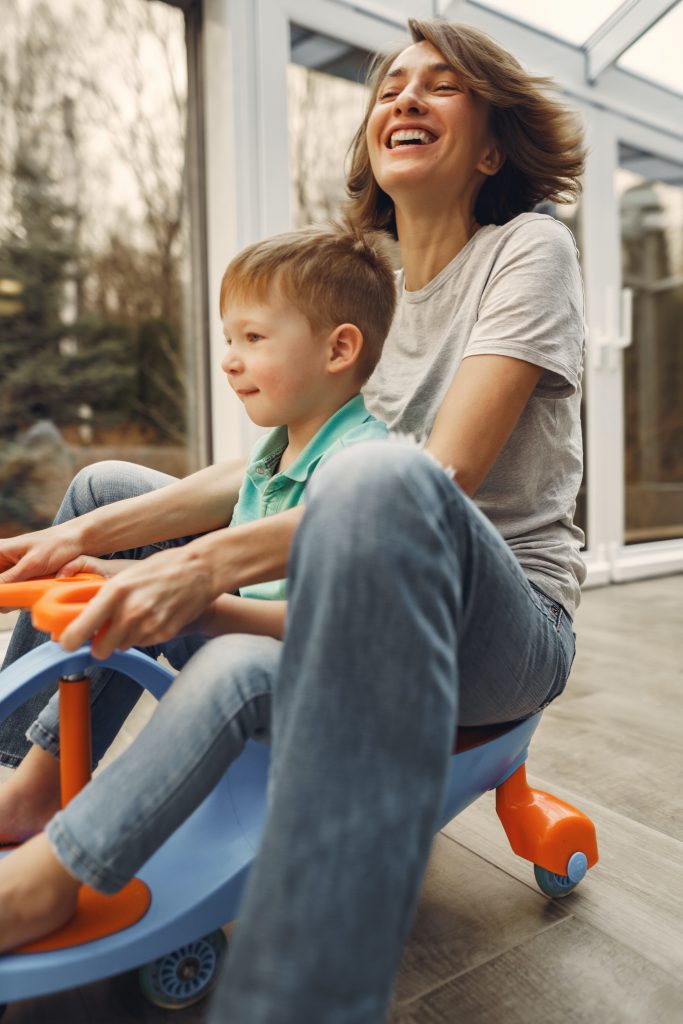
Coronavirus forces us to become family again International Montessori School Sotogrande Marbella

Montessori schools are often labelled as free education centres, but that is not true. Nothing could be further from the truth. As María Montessori said, at our schools, the kids do not do what they want, but instead love what they do, and this has an enormous repercussion on the ambience of respect and warmth that can be felt in our classrooms. Our understanding of the concepts of freedom and discipline represent the foundation of our interactions with the children and how we work on their socioemotional development. In our model, we believe that discipline and freedom are abilities that the children bring with them and we, the adults, have to prepare their environment so that they can fully develop these skills. 

Discipline is understood as the capacity of self-control, self-discipline and willpower, whereas freedom is understood as the ability to freely choose and accept the consequences of our choices. As parents and educators, we can help them to develop these skills by providing order and routines, as well as limits, which make children feel safe and secure. Limits have to be imposed naturally and make sense, focused on preserving safety and respect, getting along with others, and order. This concept would be closer to what is known today as a positive discipline.

Positive discipline entails a change of approach and a change in the question, from how do I control my child, to how do I accompany and support them so that they learn self-control and make responsible decisions? This discipline teaches skills and involves deciding what we are going to do as parents, firmly yet lovingly, instead of waiting for the child to ‘behave’. As they grow, we can involve them more in the process of searching for solutions. This will ensure that we keep building relationships with our children based on love and respect that will last a lifetime. 
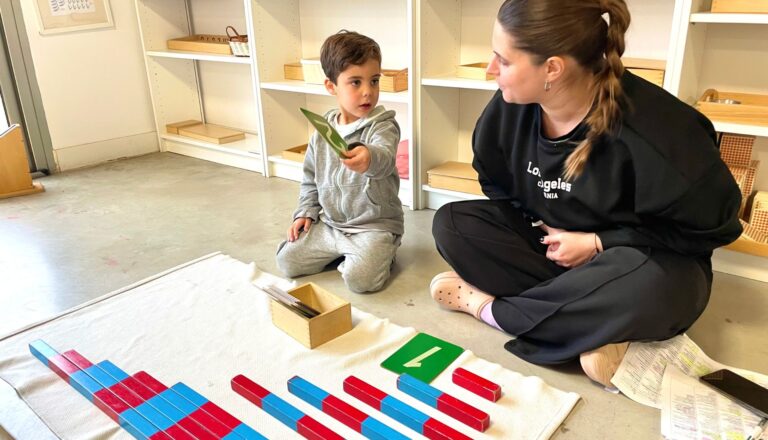
Similar Posts

Leave a Reply

Your email address will not be published. Required fields are marked *

“Disciplina positiva” por Olimpia Tardá

Libertad y disciplina son conceptos que crean confusión y que cada familia interpreta de manera diferente. Estas interpretaciones llevarán a la aplicación de ciertas directrices educativas y estilos que nos hacen ser padres más o menos permisivos, controladores, afectuosos…

Desde un punto de vista más convencional, la disciplina tiende a confundirse con corrección y castigo. En este caso, los padres se preguntan: ¿Cómo controlo el comportamiento de mi hijo? Las técnicas que se aplican desde este modelo serían aquellas destinadas a modificar comportamientos negativos a través del castigo o charlas, y premiando a los niños con ‘estrellas, puntos, dinero, dulces…’ para fomentar un buen comportamiento. Dentro de este modelo, la libertad sería vista de la misma manera que algo que los adultos imponen a los niños. En otras palabras, yo —como adulto— te dejo hacer lo que quieras y no establezco límites porque quiero que crezcas con libertad, sin condiciones que puedan influenciarte, para que puedas desarrollar tu propia personalidad. Sin embargo, ‘Dejar que los niños hagan lo que quieren cuando aún no han desarrollado autocontrol es traicionar la idea de libertad’ (María Montessori, La Mente Absorbente).

Coronavirus forces us to become family again International Montessori School Sotogrande Marbella

Las escuelas Montessori a menudo son etiquetadas como centros de educación libre, pero eso no es cierto. Nada podría estar más lejos de la verdad. Como dijo María Montessori, en nuestras escuelas, los niños no hacen lo que quieren, sino que aman lo que hacen, y esto tiene una enorme repercusión en el ambiente de respeto y calidez que se puede sentir en nuestras aulas. Nuestro entendimiento de los conceptos de libertad y disciplina representa la base de nuestras interacciones con los niños y cómo trabajamos en su desarrollo socioemocional. En nuestro modelo, creemos que la disciplina y la libertad son habilidades que los niños traen consigo y nosotros, los adultos, tenemos que preparar su entorno para que puedan desarrollar completamente estas habilidades.

La disciplina se entiende como la capacidad de autocontrol, autodisciplina y voluntad, mientras que la libertad se entiende como la habilidad de elegir libremente y aceptar las consecuencias de nuestras elecciones. Como padres y educadores, podemos ayudarles a desarrollar estas habilidades proporcionando orden y rutinas, así como límites, que hacen que los niños se sientan seguros y protegidos. Los límites deben imponerse de manera natural y tener sentido, enfocados en preservar la seguridad y el respeto, llevarse bien con los demás y el orden. Este concepto sería más cercano a lo que hoy se conoce como disciplina positiva.

La disciplina positiva implica un cambio de enfoque y una modificación en la pregunta, de cómo controlo a mi hijo, a cómo lo acompaño y apoyo para que aprenda autocontrol y tome decisiones responsables. Esta disciplina enseña habilidades e implica decidir lo que vamos a hacer como padres, firmemente pero con amor, en lugar de esperar a que el niño ‘se comporte’. A medida que crecen, podemos involucrarlos más en el proceso de búsqueda de soluciones. Esto garantizará que seguimos construyendo relaciones con nuestros hijos basadas en el amor y el respeto que durarán toda la vida.

Similar Posts

Leave a Reply

Your email address will not be published. Required fields are marked *