
Niños independientes, adultos inteligentes

“¿Podrías decirme, por favor, qué camino debo seguir desde aquí? Eso depende mucho de a dónde quieres llegar”, dijo el Gato.
“No me importa mucho dónde…”, dijo Alicia.
“Entonces no importa qué camino tomes”, dijo el Gato (Alicia en el País de las Maravillas, Lewis Carroll).

Saber a dónde queremos ir es el primer paso que debemos dar para comenzar a caminar y alcanzar nuestro destino. Tendemos a decir que cuando tengamos (dinero, salud, tiempo libre…) haremos algo u otro y seremos más felices. Sin embargo, es precisamente al revés como necesitamos considerar la frase, desear algo significa transformarte para atraer el logro, dice el escritor Raimón Samsó. Por lo tanto, necesitamos preguntarnos, ¿qué necesito hacer para ser la persona que termina consiguiendo lo que quiero?

Os animo a todos a preguntaros; ¿Qué necesito hacer para ser el padre o madre que me lleve a tener la familia que quiero? ¿Qué valores quiero inculcar en mis hijos? En un mundo cada vez más interconectado con mucha información contradictoria y tendencias sobre cómo se debe criar y educar a los niños, los padres se sienten cada vez más inseguros y más temerosos, lo que nos lleva a preguntarnos constantemente si cada acción o decisión relacionada con su futuro es correcta o no. Tenemos miedo de decirles “no” porque podrían traumatizarse, o que sufran, o miedo de que cometan errores, de que no sean felices… Términos como padres helicópteros (aquellos que sobrevuelan a los niños para resolver sus problemas, prestando mucha atención a cada movimiento y sus necesidades), madres tigre (enfocadas en la excelencia en resultados académicos y excesivamente perfeccionistas), madres medusas (excesivamente permisivas sin límites establecidos, dejan que sus hijos tomen decisiones)… destacan que la hiperpaternidad, como la llama Eva Millet, es una tendencia educativa de este siglo caracterizada por la sobreprotección de los niños y la resolución de sus problemas, con la creencia de que es necesario dar a los niños todo tipo de oportunidades para que triunfen en la vida.
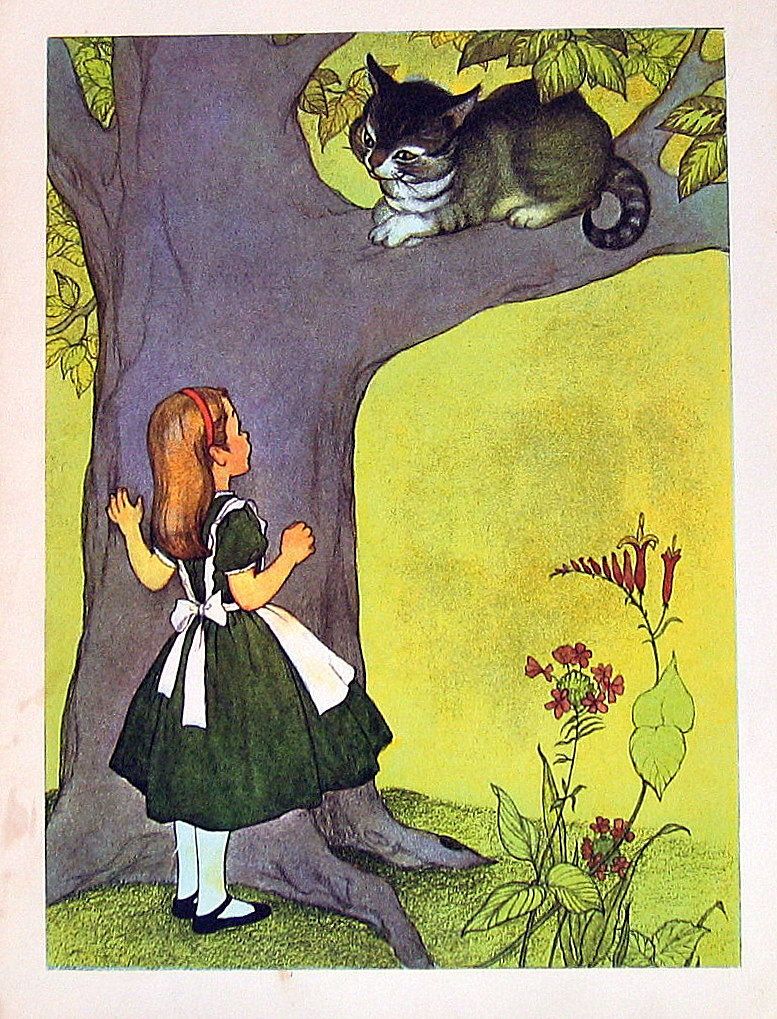
Alice in Wonderland, Lewis Carroll International Montessori School Sotogrande

Sin embargo, según la autora, sobreproteger significa no proteger, si hacemos todo por nuestros hijos, les estamos diciendo “no puedes hacerlo sin mí, no eres capaz”. Esto reduce su independencia y los hace frágiles, con poca capacidad para tolerar la frustración. Entonces, ¿qué pueden hacer los padres?

Desde mi punto de vista, nunca perder de vista el sentido común, relajarse, disfrutar de la paternidad entendiendo que habrá días buenos y días horribles, como en todo, amar mucho a tus hijos sin perder autoridad, apoyarlos en sus frustraciones, no prevenirlos, confiar en ellos, asignarles responsabilidades, y cuando te encuentres en una situación en la que no sepas qué hacer, recuerda los valores que quieres inculcarles. Cualquier ayuda innecesaria es un obstáculo para el desarrollo, dijo María Montessori. Criar niños autónomos es esencial para que se conviertan en adultos independientes.

por Olimpia Tardá,

DIRECTORA DE LA ESCUELA INTERNACIONAL MONTESSORI
PSICÓLOGA INFANTIL, ESPECIALISTA EN COACHING FAMILIAR

Similar Posts

Leave a Reply

Your email address will not be published. Required fields are marked *

Independent children, intelligent adults International Montessori School

Independent children, intelligent adults

´Would you tell me, please, which way I ought to go from here? That depends a good deal on where you want to get to, said the Cat.
I don´t much care where...said Alice.
Then it doesn’t matter which way you go, said the Cat” (Alice in Wonderland, Lewis Carroll).

Knowing where we want to go is the first step that we must take in order to begin to walk and reach our destination. We tend to say that when we have (money, health, free time…) we will do something or other and be happier. However, it is precisely the other way round that we need to consider the phrase, wanting something means transforming yourself in order to attract the achievement, says the writer Raimón Samsó. Thus, we need to ask ourselves, what do I need to do to be the person who ends up getting what I want?

I encourage you all to ask yourself;  What do I need to do to be the father or mother that leads me to have the family I want? What values do I want to instil in my children? In an increasingly interconnected world with a lot of contradictory information and trends about how children should be raised and educated, parents feel increasingly unsure and more fearful, which leads us to constantly ask ourselves if each action or decision relating to their future is correct or not. We are scared to tell them “no” because they could be traumatised, or for them to suffer, or scared of them making mistakes, not being happy… Terms such as helicopter parents (those who hover over children to resolve their problems, paying close attention to every movement and their needs), tiger mums (focused on excellence in academic results and excessively perfectionist), jellyfish mums (excessively permissive with no limits set, they let their children take decisions)….highlight that hyper-paternity, as it is called by Eva Millet, is an educational trend of this century characterised by the overprotection of children and resolving their problems, with the belief that it is necessary to give children all kinds of opportunities in order for them to succeed in life.

Alice in Wonderland, Lewis Carroll International Montessori School Sotogrande

However, according to the author, overprotecting means failing to protect, if we do everything for our children, we are telling them “you can´t do it without me, you aren´t capable”. This reduces their independence and makes them fragile, with little capacity to tolerate frustration. So, what can parents do then?

From my point of view, never lose sight of common sense, relax, enjoy parenthood with the understanding that there will be good days and horrible days, as with everything, love your children a lot without losing authority, support them in their frustrations, don´t prevent them, trust them, assign them responsibilities, and when you find yourself in a situation where you don´t know what to do, remind yourself of the values you want to instil in them. Any unnecessary help is an obstacle for development, said María Montessori. Raising autonomous children is essential in order for them to become independent adults.

by Olimpia Tardá, 

DIRECTOR OF THE INTERNATIONAL MONTESSORI SCHOOL
CHILD PSYCHOLOGIST, FAMILY COACHING SPECIALIST

Similar Posts

Leave a Reply

Your email address will not be published. Required fields are marked *